


Last updated:
London never really has an “off” switch. It’s a city where you can eat breakfast under spring blossom in St James’s Park, shelter from a sudden shower in the British Museum, and finish the day with a pint by the Thames, all in the same 24 hours. That’s exactly why choosing the best time to visit London matters so much: the right month can mean shorter queues, cheaper hotels, drier days and longer evenings.
This guide skips the vague “it depends” answers. Below, you’ll find the best time to visit London based on what you care about most: dodging rain, avoiding crowds, saving money, travelling with kids, enjoying winter festivities or catching a perfect sunset.
Best Time to Visit London at a Glance
Before we dig into the details, here’s a snapshot of the whole year. Use it to shortlist your months, then jump to the section that matches your travel style.
| Month | Avg High / Low | Crowds | Prices | Best For |
| January | 8°C / 3°C (46°F / 37°F) | Low | Lowest | Budget trips, January sales, museums |
| February | 9°C / 3°C (48°F / 37°F) | Low (busy at half-term) | Low | Cheap hotels, theatre deals |
| March | 12°C / 4°C (54°F / 39°F) | Low–Medium | Low–Medium | Early blossom, quieter sights |
| April | 15°C / 6°C (59°F / 43°F) | Medium (high in the East) | Medium | Spring gardens, London Marathon |
| May | 18°C / 9°C (64°F / 48°F) | Medium | Medium–High | Overall best month, Chelsea Flower Show |
| June | 21°C / 12°C (70°F / 54°F) | High | High | Longest days, outdoor events |
| July | 24°C / 14°C (75°F / 57°F) | Very high | Highest | Sunshine, festivals, parks |
| August | 23°C / 14°C (73°F / 57°F) | Very high | Highest | Notting Hill Carnival, summer evenings |
| September | 20°C / 12°C (68°F / 54°F) | Medium | Medium | Second-best month, warm and calmer |
| October | 16°C / 9°C (61°F / 48°F) | Medium (busy at half-term) | Medium | Autumn colour, film festival |
| November | 11°C / 6°C (52°F / 43°F) | Low–Medium | Low–Medium | Christmas lights switch-on, Bonfire Night |
| December | 8°C / 4°C (46°F / 39°F) | High (festive) | High | Christmas markets, Winter Wonderland |
Temperatures are long-term averages for central London and can vary year to year.
Best Time to Visit London to Avoid Rain
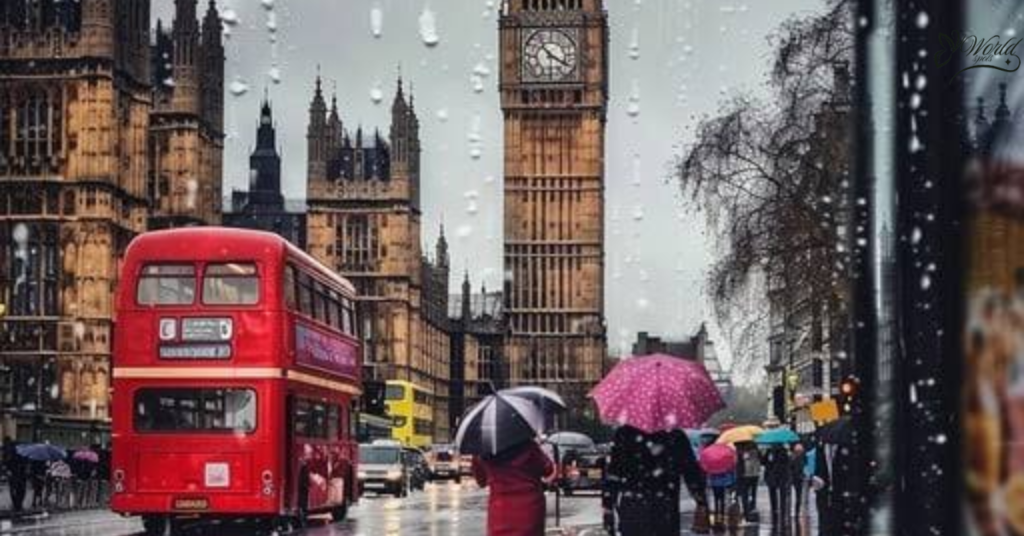
Let’s clear up the biggest myth first: London isn’t nearly as rainy as its reputation suggests. The city receives roughly 600 mm of rain a year, which is less than Rome, Sydney or New York. The catch is that rain is spread across the year in light, frequent showers rather than big storms, so you may see a drizzle on around 110 days a year.
London has no official rainy season, but there are clear patterns.
Driest Months in London
If staying dry is your top priority, visit London in spring, especially March to May. February and April usually record some of the lowest rainfall totals, while May combines low rainfall with genuinely warm days, which makes it the sweet spot for most travellers.
Late June and July are also relatively dry on most days, although summer can bring short, heavy thunderstorms after a hot afternoon.
Wettest Months in London
October and November are typically London’s wettest months, with October often bringing the most rainy days of the year. December and January are damp too, with more grey, drizzly days than heavy downpours.
What London Rain Is Really Like
Most London rain is light, patchy and short. It’s common to have a 20-minute shower followed by blue sky. Locals rarely cancel plans for rain; they simply carry a compact umbrella or a light waterproof jacket.
Rainy-Day Backup Plans
Even in the driest month, pack a backup plan. London is one of the best cities in the world for indoor sightseeing:
- Free museums like the British Museum, Natural History Museum, V&A and Tate Modern
- Covered markets such as Borough Market and Covent Garden
- A West End show matinee
- Afternoon tea in a historic hotel
- The glass-domed Sky Garden, which offers free city views (booking required)
Best Time to Visit London to Avoid Crowds
London welcomes millions of international visitors every year, so it’s never truly empty. But timing your trip well can be the difference between a relaxed stroll through the National Gallery and an hour-long queue for the Tower of London.
Quietest Months in London
The best time to visit London to avoid crowds is:
- January to mid-March (outside February half-term): the quietest stretch of the year
- Early November: after October half-term and before the Christmas rush
- Mid-September to mid-October: summer crowds fade, but the weather is still pleasant
Late September is especially underrated. Schools are back, the summer tour groups have gone home, and you can still enjoy outdoor dining on a warm evening.
When London Is Busiest
Peak season in London runs from June to August, when European and American summer holidays overlap. Expect long queues at headline attractions, packed Tube carriages and the highest hotel rates of the year.
Other crowd hotspots to watch for:
- Easter holidays (late March or April)
- UK school half-terms in mid-February, late May and late October
- Bank holiday weekends, especially the August bank holiday (Notting Hill Carnival)
- December, especially around Oxford Street, Regent Street and the Christmas markets
How to Beat the Crowds in Any Season
Timing Tips for Popular Attractions
- Book timed-entry tickets online for the Tower of London, the London Eye, Westminster Abbey and the Churchill War Rooms.
- Arrive at opening time or go during the last two hours before closing.
- Visit big museums on weekday mornings or during late-night openings (several, including the V&A and Tate Modern, regularly host late events).
- Travel outside Tube rush hours (roughly 7:30–9:30 am and 5–7 pm on weekdays).
Cheapest Time to Visit London
London has a reputation as an expensive city, but timing alone can cut your costs dramatically.
Cheapest Months to Visit London
The cheapest time to visit London is January and February, excluding half-term week. After the Christmas and New Year rush, demand falls sharply, and hotels often drop their rates. You’ll also find:
- Cheaper flights, especially mid-week
- January sales across major shopping streets
- West End theatre discounts, often through seasonal deals on selected shows
- Restaurant offers during the quieter winter weeks
Early March and November (before the festive season) are also good-value months with fewer crowds.
Most Expensive Time to Visit
July, August and December are the most expensive months. Hotel prices peak in summer, and mid-December hotel rates climb again because of Christmas shopping, events and corporate parties.
Budget Tips That Work Year-Round
How to Save Money in London
- Visit free museums and galleries. The British Museum, National Gallery, Natural History Museum, Science Museum, V&A and Tate Modern are all free to enter (some special exhibitions charge).
- Tap in with contactless. Using a contactless bank card or phone on the Tube and buses applies daily and weekly fare caps automatically.
- Ride the bus. London’s iconic red buses are cheaper than the Tube, and a top-deck seat doubles as a sightseeing tour.
- Stay slightly outside Zone 1. Areas like Southwark, Shoreditch or King’s Cross often offer better value with quick connections.
- Picnic in Royal Parks. Grab food from a market and enjoy Hyde Park, Regent’s Park or Greenwich Park for free.
Best Time to Visit London with Kids
London is one of Europe’s most family-friendly cities, packed with free museums, huge parks and kid-pleasing attractions. The tricky part is that the best family weather often clashes with the busiest school holidays.
Best Months for a Family Trip
The best time to visit London with kids is late May to June or September:
- Late May and June bring warm weather, long daylight hours and parks at their greenest. If your children can travel outside UK school holidays, June is ideal.
- Early to mid-September is warm and noticeably calmer once UK schools return.
If you’re tied to school holidays, Easter and October half-term offer milder crowds than the summer break, plus seasonal family events.
Kid-Friendly Highlights by Season
1. Spring and Summer
- Picnics and playgrounds in Hyde Park (home to the Diana Memorial Playground in Kensington Gardens)
- Boat trips along the River Thames
- ZSL London Zoo in Regent’s Park
- Outdoor fountains at Granary Square in King’s Cross
2. Autumn and Winter
- The Natural History Museum and Science Museum in South Kensington
- Ice skating at seasonal rinks such as the Natural History Museum or Somerset House
- Hyde Park Winter Wonderland (usually mid-November to early January)
- Family pantomimes, a classic British Christmas tradition
Family Travel Tips
- Children under 11 travel free on the Tube and buses when accompanied by a paying adult.
- Book big-name attractions in advance, especially during school holidays.
- Build in park time between museums; London’s green spaces are the perfect energy release.
👉 Plan your family trip with our list of family-friendly activities.
Best Time to Visit London in Winter
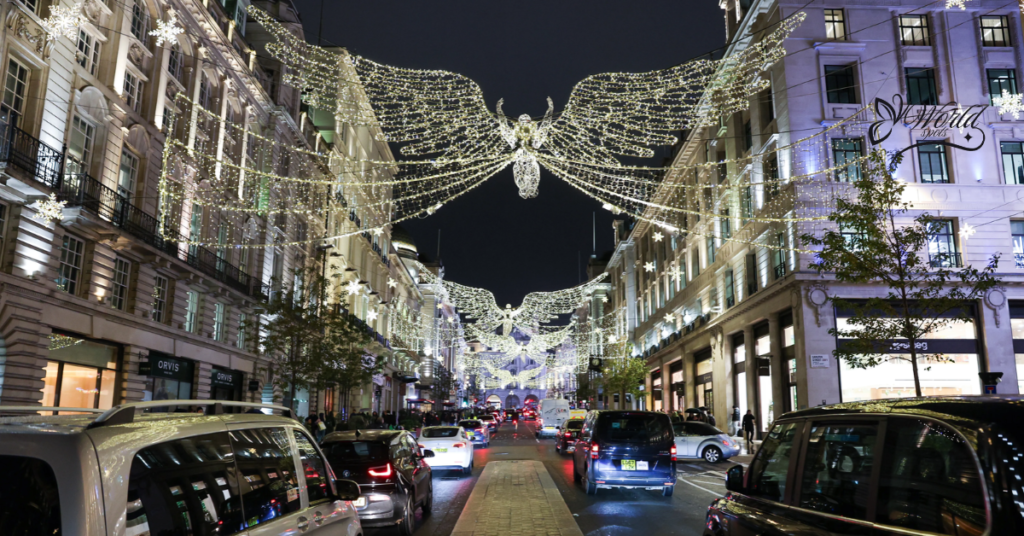
Winter in London is cold, short on daylight, and surprisingly magical. Temperatures typically sit between 2°C and 8°C (36–46°F), and snow is rare. What winter lacks in sunshine, it makes up for with twinkling lights, cosy pubs and some of the year’s best deals.
December: Festive London
The best time to visit London in winter for atmosphere is late November to mid-December. You’ll get:
- Christmas lights on Oxford Street, Regent Street, Carnaby Street and Covent Garden
- Christmas markets at the Southbank Centre, Leicester Square and more
- Hyde Park Winter Wonderland
- Festive light trails at places like Kew Gardens
Go before 15 December if you can. As Christmas approaches, crowds and hotel prices both rise, and Christmas Day is unusual: most attractions close and the Tube and buses don’t run.
New Year’s Eve in London
The New Year’s Eve fireworks over the London Eye and Thames are world-famous, but viewing areas along the river are ticketed and sell out quickly. Book early or watch from a rooftop bar or restaurant instead.
January and February: Quiet, Cheap and Cultural
If you prefer value over sparkle, January and February are the best winter months for low prices and short queues. This is the perfect time to explore museums and galleries, catch a West End show and enjoy London’s pub culture, where a log fire and a Sunday roast never feel better.
Lunar New Year celebrations in Chinatown and the West End (late January or February) add a burst of colour to the quietest season.
What to Pack for a London Winter
- A warm, waterproof coat
- Layers, because heated museums and Tube carriages can feel warm
- Comfortable waterproof shoes
- Gloves, scarf and a hat for evening walks
Best Time to See Sunset in London
London’s skyline at sunset, with the Shard, St Paul’s Cathedral and the Thames glowing gold, is one of the city’s most unforgettable sights. Because London sits far north, sunset times change dramatically through the year.
London Sunset Times by Season
| Season | Approx. Sunset Time | Daylight Hours |
| Mid-winter (December) | ~3:50 pm | ~7.5–8 hours |
| Spring (March–April) | 6:00–8:00 pm | 12–14 hours |
| Mid-summer (June) | ~9:20 pm | ~16.5 hours |
| Autumn (September–October) | 6:00–7:30 pm | 11–13 hours |
Clocks move forward one hour on the last Sunday of March and back on the last Sunday of October, so sunset times jump accordingly.
Best Season for London Sunsets
The best time to see sunset in London is late spring to early autumn (May to September). Sunsets happen late in the evening, giving you long golden hours, while warm weather makes rooftop bars and hilltops comfortable.
For softer colours and fewer people at viewpoints, try September. In winter, sunsets come very early (before 4 pm in December), but the low sun and crisp air often produce dramatic pink and orange skies, and you’ll still have time for dinner afterwards.
Best Sunset Spots in London
Free Viewpoints
- Primrose Hill: a classic panorama of the central skyline
- Parliament Hill (Hampstead Heath): wide views stretching to the City
- Waterloo Bridge: views west to Westminster and east to St Paul’s
- Greenwich Park: overlooking Canary Wharf and the Thames
Rooftop and Indoor Views
- Sky Garden: free with booking
- The Shard: paid, with the city’s highest viewing platform
- The London Eye: time your ride for golden hour
Explore our guide to the global list of the best places to watch sunset.
London Weather and Events Season by Season

Every season gives London a different personality. Here’s what to expect, and what’s happening, throughout the year.
Spring in London (March to May)
Spring is when London comes back to life. Cherry blossom, magnolia and wisteria bloom across the city, the parks turn green and outdoor tables reappear outside cafés. Average highs rise from 12°C in March to 18°C in May.
Spring Events
- St Patrick’s Day celebrations (March)
- London Marathon (April)
- Easter events and egg hunts
- Chelsea Flower Show (late May)
Best for: first-time visitors, sightseeing, parks and gardens.
Summer in London (June to August)
Summer brings London’s warmest weather, with average highs of 21–24°C, though heatwaves can push temperatures past 30°C. Days are long, evenings are bright until after 9 pm, and the city feels like one big outdoor party.
Summer Events
- Trooping the Colour (June)
- Wimbledon tennis championships (late June to early July)
- BST Hyde Park concerts and Pride in London
- Open-air theatre in Regent’s Park
- Notting Hill Carnival (August bank holiday weekend)
Best for: festivals, outdoor dining, river cruises and long days. Book hotels early.
Autumn in London (September to November)
Autumn starts warm and golden before turning cool and crisp. September still feels like summer, while October brings beautiful foliage in Richmond Park, Hampstead Heath and Kew Gardens.
Autumn Events
- Totally Thames Festival (September)
- London Design Festival (September)
- BFI London Film Festival (October)
- Halloween events
- Bonfire Night fireworks (around 5 November)
- Lord Mayor’s Show (November)
Best for: culture lovers, photographers and travellers who want good weather without summer crowds.
Winter in London (December to February)
Winter is London’s coldest, darkest and often cheapest season, but it’s also its most atmospheric in December. Expect highs around 8°C, short days and occasional frost.
Winter Events
- Christmas lights and markets (late November to December)
- New Year’s Eve fireworks (31 December)
- New Year’s Day Parade (1 January)
- Lunar New Year in Chinatown (January or February)
Best for: budget travellers, museum lovers and festive breaks.
London Month by Month: Quick Guide
- January: Cheapest month, quiet museums, post-Christmas sales.
- February: Low prices and short queues; avoid half-term week for the best deals.
- March: Early spring blossom, mild days and few crowds.
- April: Spring in full swing; busy around Easter and Marathon weekend.
- May: Arguably the best month to visit London, with warm weather, blooming gardens and pre-summer prices.
- June: Longest days of the year and lots of outdoor events, though crowds are building.
- July: Warmest, sunniest and busiest month, with peak prices.
- August: Summer holidays, Notting Hill Carnival and a lively city atmosphere.
- September: Warm days, thinner crowds and a strong cultural calendar.
- October: Autumn colour, film festival and a wetter but cosy city.
- November: Bonfire Night, Christmas light switch-ons and good-value hotels.
- December: Peak festive season, Christmas markets and New Year’s Eve.
Our Verdict: When Should You Visit London?
There’s no bad time to visit London, only better times for different travellers:
- Best overall: May and September
- Best weather: June to August
- Fewest crowds: January to early March
- Cheapest: January and February
- Best with kids: June or early September
- Best for festive magic: late November to mid-December
- Best for sunsets: May to September
Whenever you go, pack layers and a compact umbrella, book major attractions ahead, and leave room for unplanned discoveries. London rewards the curious traveller in every season.
FAQs About the Best Time to Visit London
What is the best month to visit London?
May is often considered the best month to visit London. It offers mild to warm weather, long days, blooming parks, and lower prices than summer. September is a close second.
What is the cheapest month to go to London?
January is usually the cheapest month to visit London, followed by February (outside half-term week). Hotel prices and flight costs typically drop after the Christmas and New Year holidays.
What is the rainiest month in London?
October is typically London’s wettest month, with November close behind. Spring months like March to May tend to be drier.
When is peak tourist season in London?
Peak season in London runs from June to August, with additional peaks during Easter, UK school half-terms and December.
Is London worth visiting in winter?
Yes. Winter offers Christmas lights, festive markets, cosy pubs and the lowest hotel prices of the year in January and February. Just expect short days and chilly temperatures.
What is the sunniest month in London?
July is usually London’s sunniest month, averaging around six to seven hours of sunshine per day.
When does it get dark in London?
In mid-winter, it gets dark around 4 pm. In mid-summer, sunset is after 9 pm, and twilight lasts until nearly 10 pm.
How many days do you need in London?
Three to four days is enough to see the major highlights. With five to seven days, you can explore neighbourhoods and take day trips to places like Windsor, Oxford, or Brighton.

